
Tips to remove nail polish Easily

Removing nail polish can be a tricky process. With so many different types of nail polish and methods at our disposal, it can be hard to tell which one is best. Here are some tips to help you remove your nail polish with ease: 

1. Start by soaking your nails in warm water for several minutes. This helps to soften the nail polish and makes it easier to remove. 

2. After soaking, use a cotton ball and nail polish remover to gently remove the nail polish. Make sure to go in one direction and be careful not to scrub too hard. 

3. Next, take a nail brush and lightly scrub your nails to get rid of any leftover nail polish. This is an important step if you want to ensure a complete nail polish removal. 

4. Once you have removed the majority of the nail polish, apply cuticle oil to your nails to soothe them. 

5. Finally, use the nail polish remover again to remove any stubborn nail polish. Be sure to use a gentle pressure and go in one direction. 
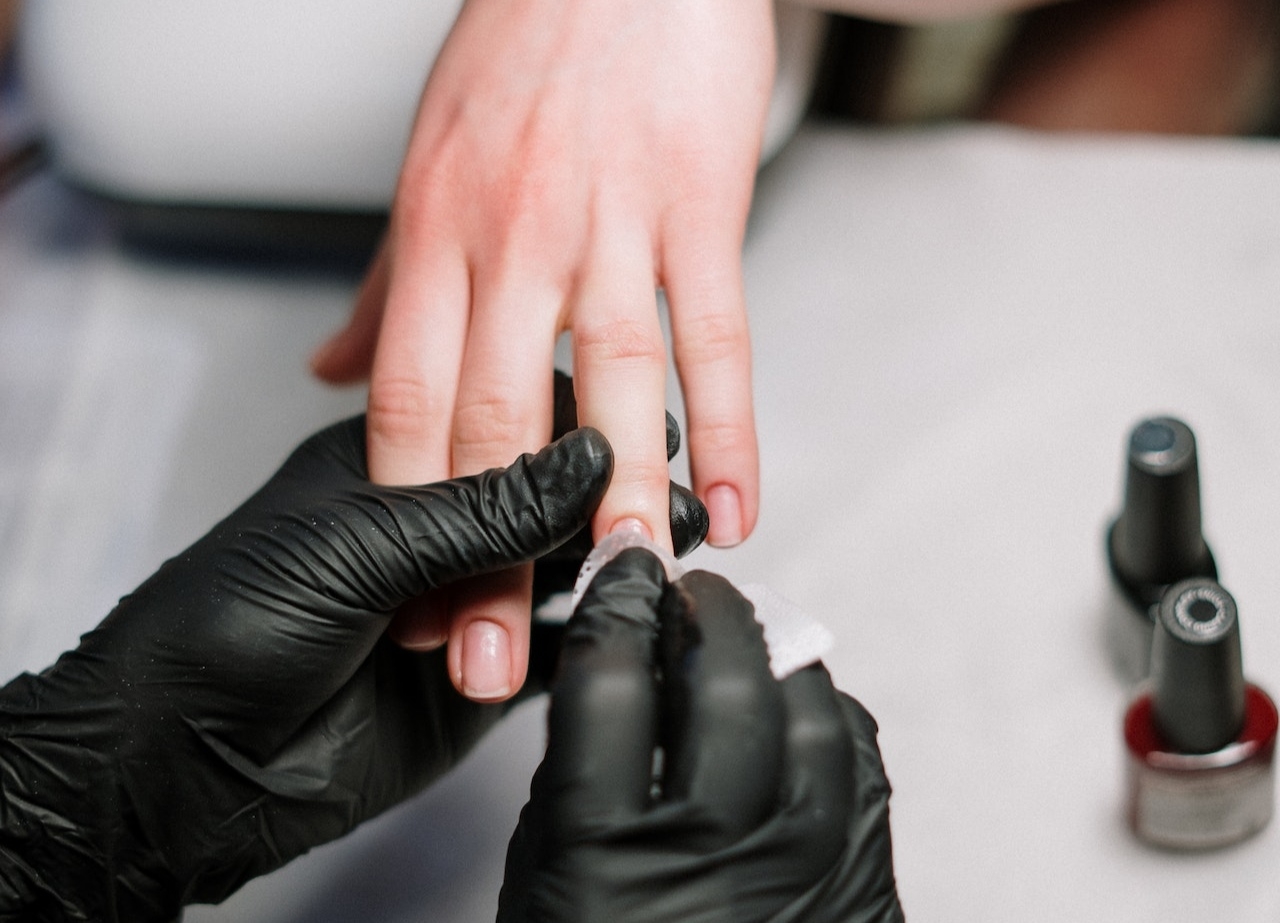

These tips should help you to remove your nail polish with ease. Just remember to go in one direction and to use a gentle amount of pressure. With these tips, you should be able to get your nails back to looking beautiful in no time. 

Comments

Popular posts from this blog

Top 10 uses of Tea tree oil you must know

Tea tree oil is a popular essential oil derived from the leaves of the Melaleuca alternifolia, a plant native to Australia. It has been used for centuries by the Aboriginal people of Australia for its healing and medicinal properties. Tea tree oil has a wide range of uses and benefits, from treating skin conditions to cleaning and deodorizing.  Here are the top 10 uses of tea tree oil: 1. Acne Treatment: Tea tree oil has strong antibacterial and antiseptic properties, making it an ideal treatment for acne. It can help to reduce inflammation and clear up blemishes quickly. Remember, don't apply it directly to your skin or acne.. It can irritate your skin and makes your pores appear larger.  2. Skin Conditions: Tea tree oil can be used to treat a variety of skin conditions, such as eczema, psoriasis, and fungal infections. It has anti-inflammatory and antifungal properties that can help to reduce symptoms and promote healing. 3. Wound Care:...

6 Simple Steps To Reduce Face Fat!

First, let's start by defining what face fat is. Face fat is excess fat in the facial area, typically around the cheeks, jawline, and chin. It's usually linked to overall body weight or body fat percentage. Face fat can be caused by many factors, such as genetics, age, hormonal changes, dietary habits, and lifestyle.  Reducing face fat can be a difficult task, but there are a few simple steps you can take to make a difference.  1. Start by following a balanced diet. Eating nutritious and low-calorie foods like fruits, vegetables, whole grains, and lean proteins can help you maintain a healthy weight and reduce fat in your face. Avoid processed foods and added sugars, as these can add calories without providing any real nutrition. 2. Exercise regularly. Cardiovascular exercise, such as running, swimming, or cycling, is a great way to burn calories and reduce fat all over your body, including your face. Strength training is also important for toning the muscles in ...

Salicylic Acid Vs Benzoyl peroxide, which is best for Acne Treatment?

Salicylic acid and benzoyl peroxide are two of the most popular active ingredients used in acne treatments. Both are effective in addressing acne but there are some key differences between them.  Salicylic Acid Salicylic acid is a beta-hydroxy acid that helps to unclog pores, reduce inflammation and prevent future breakouts. It works by exfoliating the skin and loosening the bonds between dead skin cells. This helps to keep pores clear and prevents the buildup of sebum which can lead to acne. Salicylic acid is often used in cleansers and spot treatments. Different Forms of Salicylic Acid Salicylic acid comes in a variety of forms, including a gel, cream, lotion, ointment, aerosol, shampoo, facial wash, and pad. The form you should choose depends on the area of your skin that you want to treat and the type of problem you are trying to address. For example, gels are best for oily skin, while creams may be more appropriate for dry skin. Ointments can be used to treat vario...